


Climate finance refers to the financing needed to address the causes and impacts of climate change, including mitigation (reducing greenhouse gas or GHG emissions) and adaptation (managing the risks and impacts of climate change). The need for climate finance has grown as the world recognizes the urgent need to address the impacts of climate change, which are already being felt in many parts of the world. It has been steadily increasing over the past decade and reached USD 653 billion in 2019/2020.Figure 1shows how this finance is sourced (public or private) and used across six sectors:
i) water & wastewater;
ii) infrastructure & industry;
iii) land use;
iv) transport;
v) energy systems; and
vi) other & cross-sectoral.
Figure 1represents an average annual amount in USD billion for 2019 and 2020, and they provide an in-depth look at how funding is allocated throughout the lifecycle of climate projects. Some of the key observations are as follows:
- The public sector provided USD 334 billion (51%), primarily through Development Finance Institutions (DFIs). Private actors contributed USD 319 billion (49%), with commercial financial institutions and corporations contributing almost 80%.
- Grants made up 4.5% (USD 30 billion) of climate finance, with governments as the main source
- Most climate finance raised was in the form of debt, with market-rate debt accounting for 88%, while low-cost debt was only 12%
- Equity investments contributed 31% (USD 207 billion) of total climate finance
- Around 90% of climate finance was for mitigation and adaptation finance accounted for 7% of total finance, while dual-use projects accounted for 3%
- The majority of mitigation funding was allocated to energy systems, which included renewable fuel production, power and heat generation, transmission and distribution networks, policy support, and capacity building
- The transport sector ranked second among sectors receiving climate finance, covering various modes such as EVs, rail & public transport, waterways, aviation, and transport-oriented infrastructure
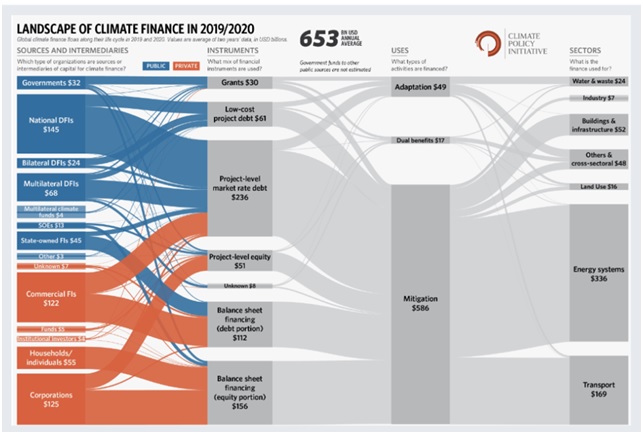
Figure 1. Global Climate Finance Landscape

Figure 2. Climate Finance Comparison with Paris Scenarios
Although climate financing has been growing in recent years, it remains insufficient to meet the investment requirements for realizing Paris-aligned scenarios and achieving net-zero emissions by 2050.According to Figure 2,the amount of climate finance in 2019/2020 accounted only for approximately 9% of the average scenario implementation cost. A significant portion of these investments were directed towards climate mitigation efforts in the energy sector, with only 6% of the investment going towards the transport sector. The several challenges/ barriers hindering the financing and development of green projects are
i) lack of suitable financial instruments and long disbursement procedures
ii) high perceived risk and initial investments required
iii) limited technical capacity of stakeholders to develop green projects
iv) inadequate understanding and use of low-carbon technologies
v) lack of supportive regulatory conditions to drive green investments and others.
This disparity underlines the pressing need for a substantial increase in climate financing to align with net-zero targets. Without sufficient financing, it will be difficult to meet the goals of the Paris Agreement and prevent catastrophic consequences.
In order to successfully transition to a sustainable, net zero emissions, and resilient world within this decade, a significant increase in climate investment is imperative. Unfortunately, as depicted in Figure 3, current finance flows are vastly insufficient and fall far short of the estimated annual investment needs, which are projected to be in the range of $2-2.8 trillion by 2030. Investing in the energy system is crucial for addressing climate change, and prioritizing investments in the power and transport sectors makes sense given their significant contribution to greenhouse gas emissions. In the power sector, investments can be directed towards developing renewable energy sources such as solar, wind, hydro, and others. This will reduce reliance on fossil fuels and decrease carbon emissions. Additionally, investments can be made in energy storage technologies to ensure the stability and reliability of the power grid. In the transport sector, investments can be focused on developing electric vehicles and the necessary charging infrastructure. This will reduce reliance on fossil-fuel powered vehicles and decrease carbon emissions from the transportation sector. Additionally, investments can be made in public transportation systems to encourage the use of mass transit and reduce the number of individual vehicles on the road.
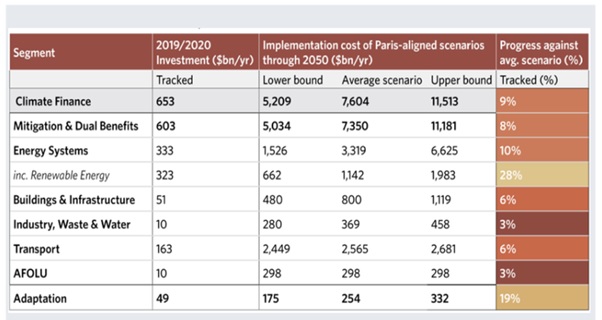
Figure 3. Climate Finance Investment Needs by 2030
Climate finance must increase in speed and scale this decade for a credible transition to a sustainable, net zero, and resilient world. It should count in the trillions annually, whereas fossil fuel investments should dramatically decrease this decade to achieve this transition. Climate finance commitments also need to translate into action in the real economy, requiring all public and private actors to align their investments with Paris goals and net zero, sustainable pathways. This requires coordinated action from all actors:
- Governments needs to build confidence in key markets with clear policy signals and incentives, with interim goals on net zero, whereas financial regulators should set standardized rules to enforce the targets
- Development banks and international finance institutions can help build strategy, engage with counterparties, and support policy development, while deploying a wider range of instruments that take on more risk, helping to catalyze more private investment in developing economies
- Private sector needs to better appreciate new approaches to collaborating and investing, but also needs to mainstream climate considerations by assessing risk and opportunities in a more holistic way
Source
- Global Landscape of Climate Finance – Climate Policy Initiative
- Climate finance flows and needs – David Carlin, UNEP FI, January 2023